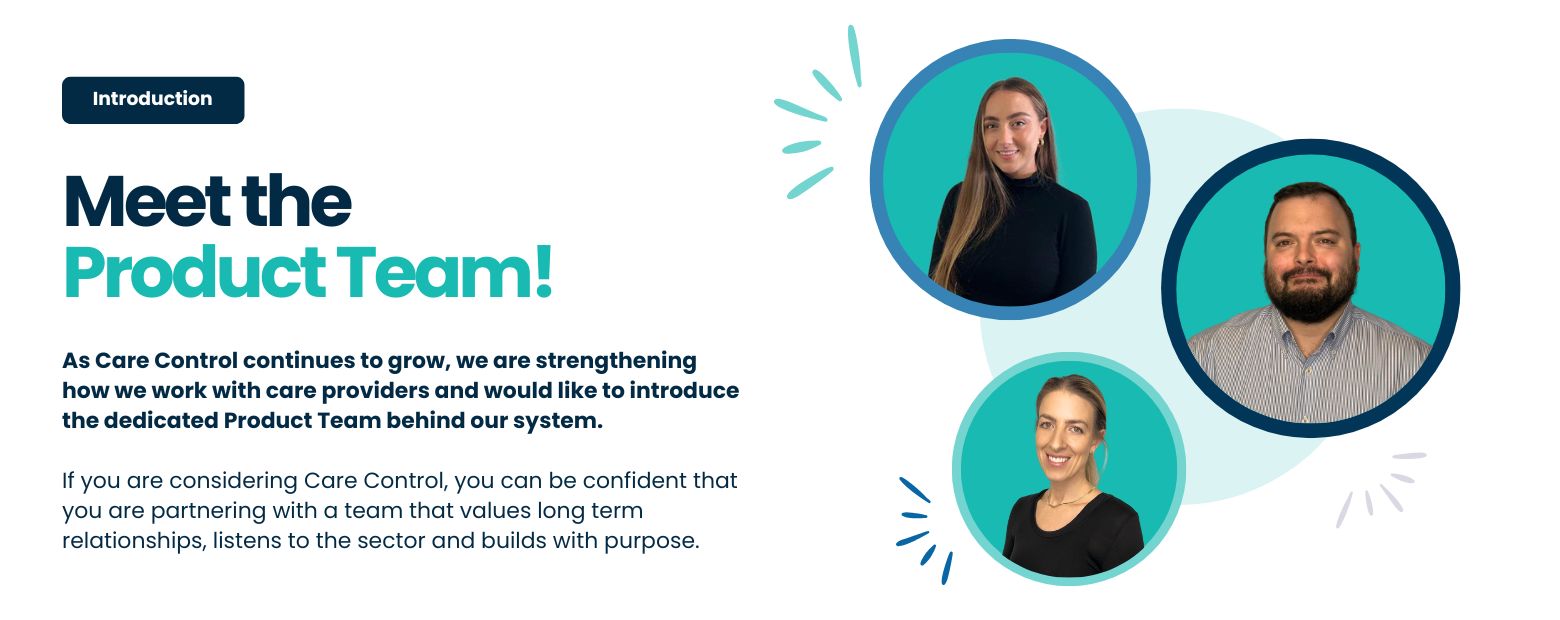
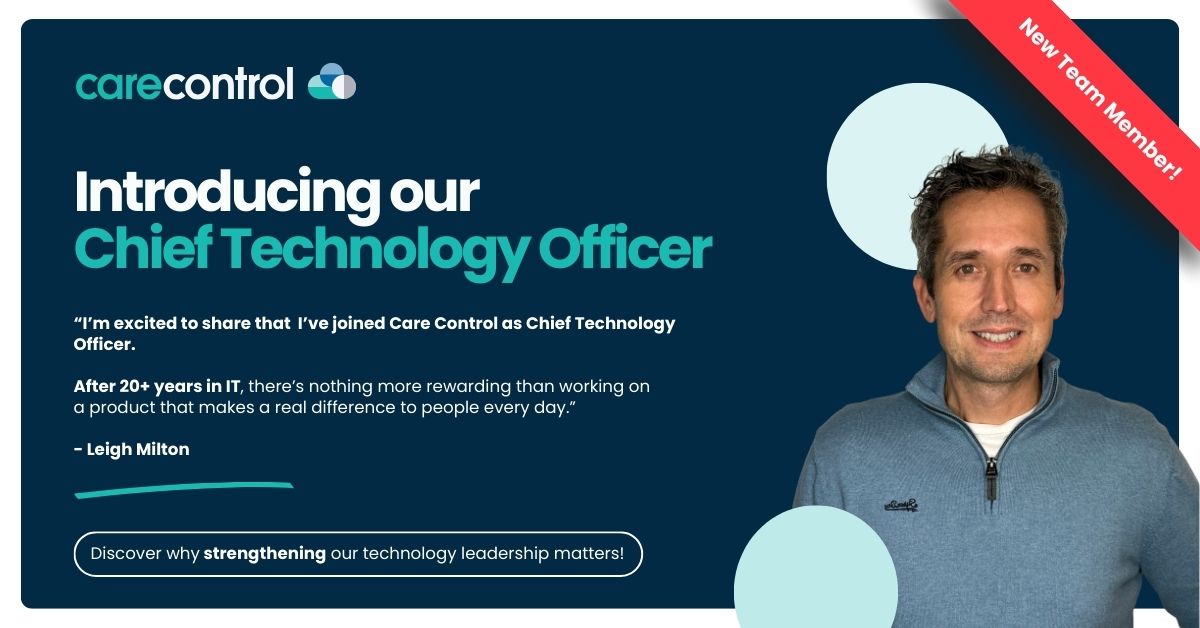
2026 marks a significant milestone for Care Control. Not only are…
Top 5 Digital Rota Features Every Domiciliary Care Provider Needs
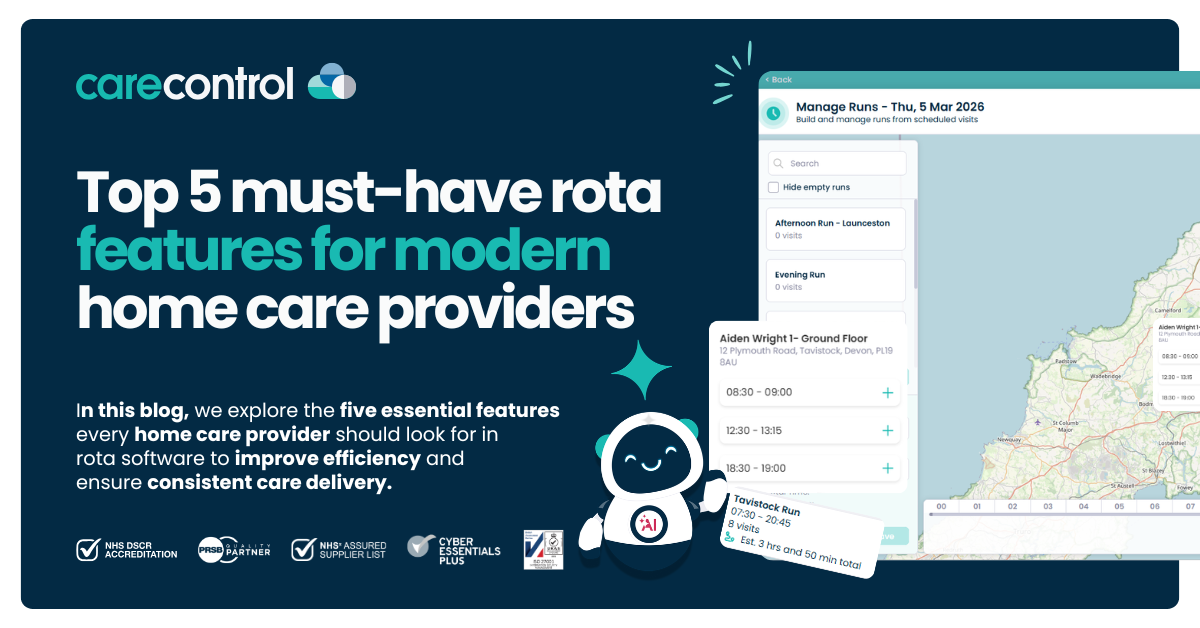
Domiciliary care services are constantly managing movement, which makes having an up-to-date and reliable digital domiciliary rota essential.
Staff are out in the community, clients need consistent support, and schedules can change several times before lunchtime. At the centre of all of this sits your rota.
When that rota is not working properly, everything else starts to feel harder. Missed visits, late arrivals, frustrated staff, and endless phone calls all stem from one core issue. Scheduling is not keeping up with the reality of care delivery.
This is why more providers are investing in digital rota home care systems. But not every system actually solves the problem. Some simply take a paper rota and put it on a screen, without addressing the real challenges domiciliary care teams face every day.
To truly support your service, your domiciliary care rota system needs to work with you, not against you. Here are the five features that make the biggest difference.
1. Real Time Scheduling Updates
In domiciliary care, no day goes exactly to plan.
A carer calls in sick. A client needs an extra visit. Traffic delays throw off the entire morning run. These situations are not rare, they are part of everyday operations.
Without real time updates, managing these changes becomes chaotic. Coordinators are stuck calling multiple carers, sending messages, and trying to piece together who is going where. Meanwhile, carers may already be on the move with outdated information.
A digital rota home care system with real time updates removes this confusion. When a change is made, it is instantly visible to everyone who needs to see it. Coordinators can adjust schedules quickly, and carers can trust that what they see on their device is accurate.
This directly reduces one of the biggest pain points in care staff scheduling UK teams face, which is constant disruption. Instead of reacting to problems all day, coordinators can stay in control.
For carers, it creates a calmer working day. They know where they need to be, and they are not relying on last minute phone calls to guide them.
2. Mobile Access for Care Staff
Domiciliary care happens out in the community, not in an office. Yet many services still rely on systems that are built around desk based working.
This creates a disconnect. Carers have to call the office for updates, check printed rotas, or rely on memory. When something changes, the information does not always reach them in time.
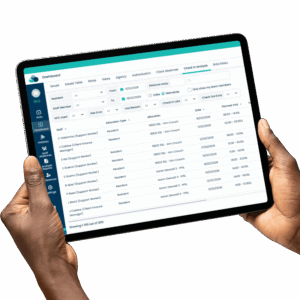 Mobile access changes this completely.
With home care scheduling software that is designed for mobile use, carers can view their rota, receive updates, and access visit details directly from their phone. Everything
they need is in one place.
This solves several everyday frustrations. It reduces the need for constant communication with the office. It prevents confusion around visit times or locations. It gives carers
more confidence as they move through their day.
From a management perspective, it also improves accountability. You can see that information has been delivered, rather than hoping messages have been passed on correctly.
In the digital scheduling care sector, mobile access is no longer optional. It is essential for keeping your team connected and informed.
3. Intelligent Scheduling and Matching
One of the biggest challenges in domiciliary care is not just filling visits, it is filling them well.
Not every carer is suited to every client. Skills, experience, personality, and preferences all play a role in delivering quality care. At the same time, travel time and geography can make or break an efficient schedule. A basic rota system does not take this into account. It simply assigns available staff to open slots. This leads to longer travel times, inconsistent care, and frustrated staff.
A stronger domiciliary care rota system uses intelligent scheduling. It considers key factors such as skill sets, location, availability, and client needs when building the rota.
This has a direct impact on care quality. Clients are more likely to see familiar carers who understand their routines. Continuity improves, which is a major factor in client satisfaction. It also supports your team. Carers are more likely to be assigned to visits that suit their skills and are geographically sensible. This reduces stress, cuts down travel time, and helps with retention.
For providers using care staff scheduling UK systems, this is where real efficiency gains start to show. It is not about doing more, it is about doing things better.
4. Integrated Compliance and Monitoring
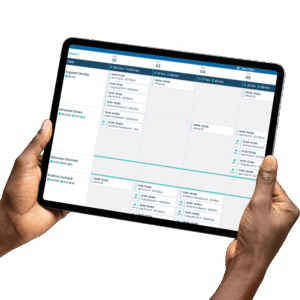 Compliance is always in the background of domiciliary care. Every visit, every record, and every action needs to stand up to scrutiny.
When your rota is separate from your care records, things can easily slip through the gaps. Missed visits may not be flagged immediately. Late calls might go unnoticed. Gathering evidence for inspections becomes time consuming.
A digital rota home care system that integrates with care management tools changes this.
You can track visit times, monitor punctuality, and identify missed calls in real time. This creates a clear and reliable audit trail without adding extra admin work.
This is especially important during inspections. Instead of pulling information from multiple sources, everything is already connected and accessible.
It also helps you take a proactive approach. Issues can be identified and addressed early, rather than being discovered after the fact.
For many providers, compliance is one of the biggest stress points. Integrated systems reduce that pressure and provide reassurance that your service is meeting expectations.
5. Clear Visibility and Reporting
A rota should not just tell you what is happening. It should help you understand why. Without clear visibility, managers are often working in the dark. It is difficult to spot patterns, identify inefficiencies, or plan for future demand.
With the right home care scheduling software, reporting becomes a powerful tool. You can see where there are gaps in coverage, which carers are overworked, and where travel time is impacting efficiency. You can identify peak periods and adjust staffing accordingly.
This level of insight supports better decision making. Instead of reacting to problems, you can anticipate them. It also supports growth. As your service expands, having access to clear data helps you scale in a controlled and sustainable way. In the digital scheduling care sector, visibility is what separates reactive services from proactive ones.
Why These Features Matter
At first glance, these features might seem like practical improvements. But in reality, they address some of the most common and frustrating challenges in domiciliary care.
They reduce the constant pressure on coordinators who are trying to manage changing schedules. They support carers who need clear and reliable information throughout their day. They improve the experience for clients who rely on consistent and timely care.
Choosing the right digital rota home care system is not just about moving away from paper. It is about building a service that runs smoothly, communicates clearly, and delivers high quality care every day.
When your rota works properly, everything else starts to fall into place. Your team feels more supported. Your processes become more efficient. And your clients receive the level of care they deserve.
Related Posts