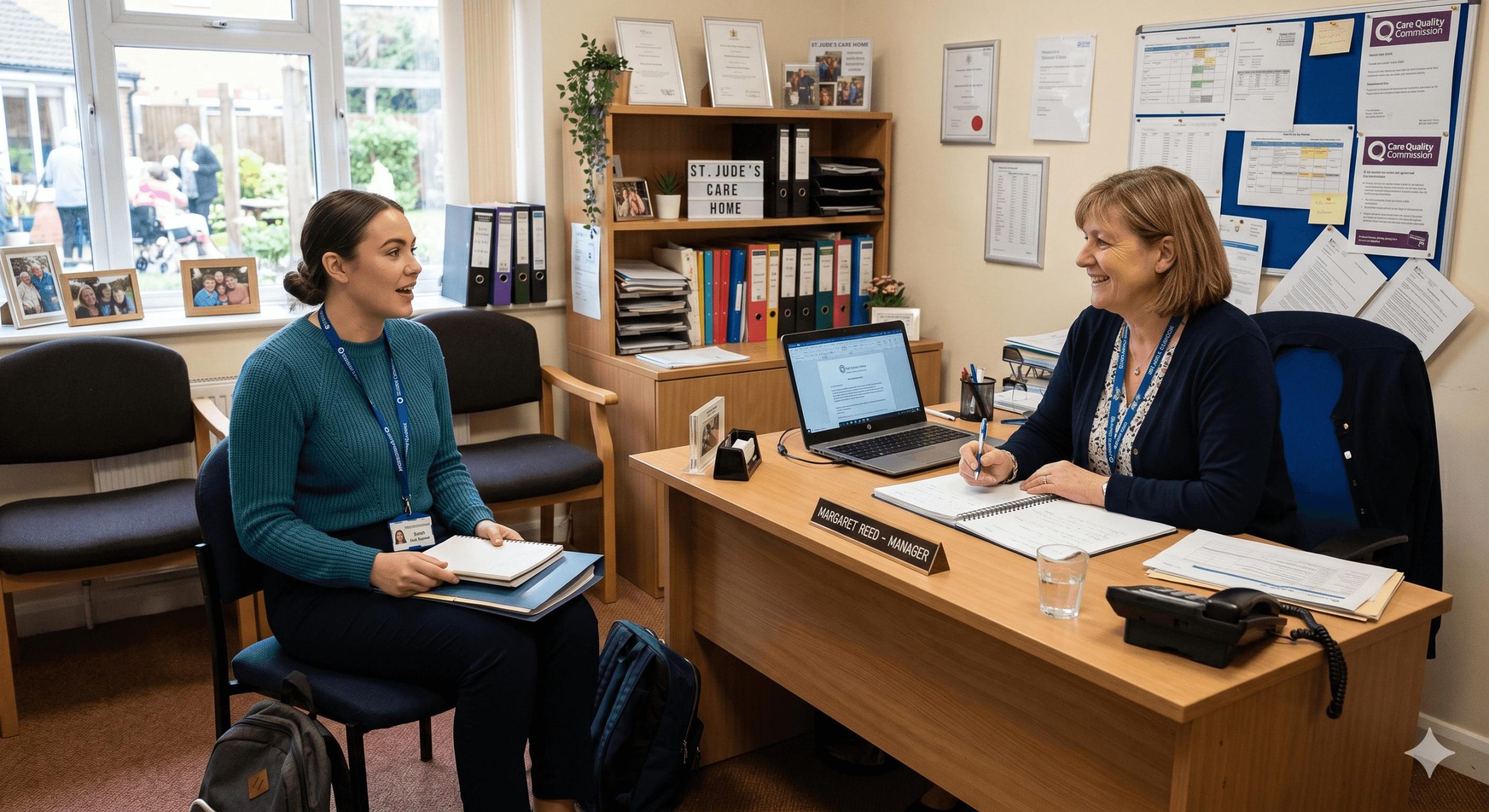
Winter staffing, care reviews, compliance and team wellbeing. Here's what care managers should be checking this November to prepare for the months ahead.
Carers Rights Day 2026: Know Your Rights and Find Support
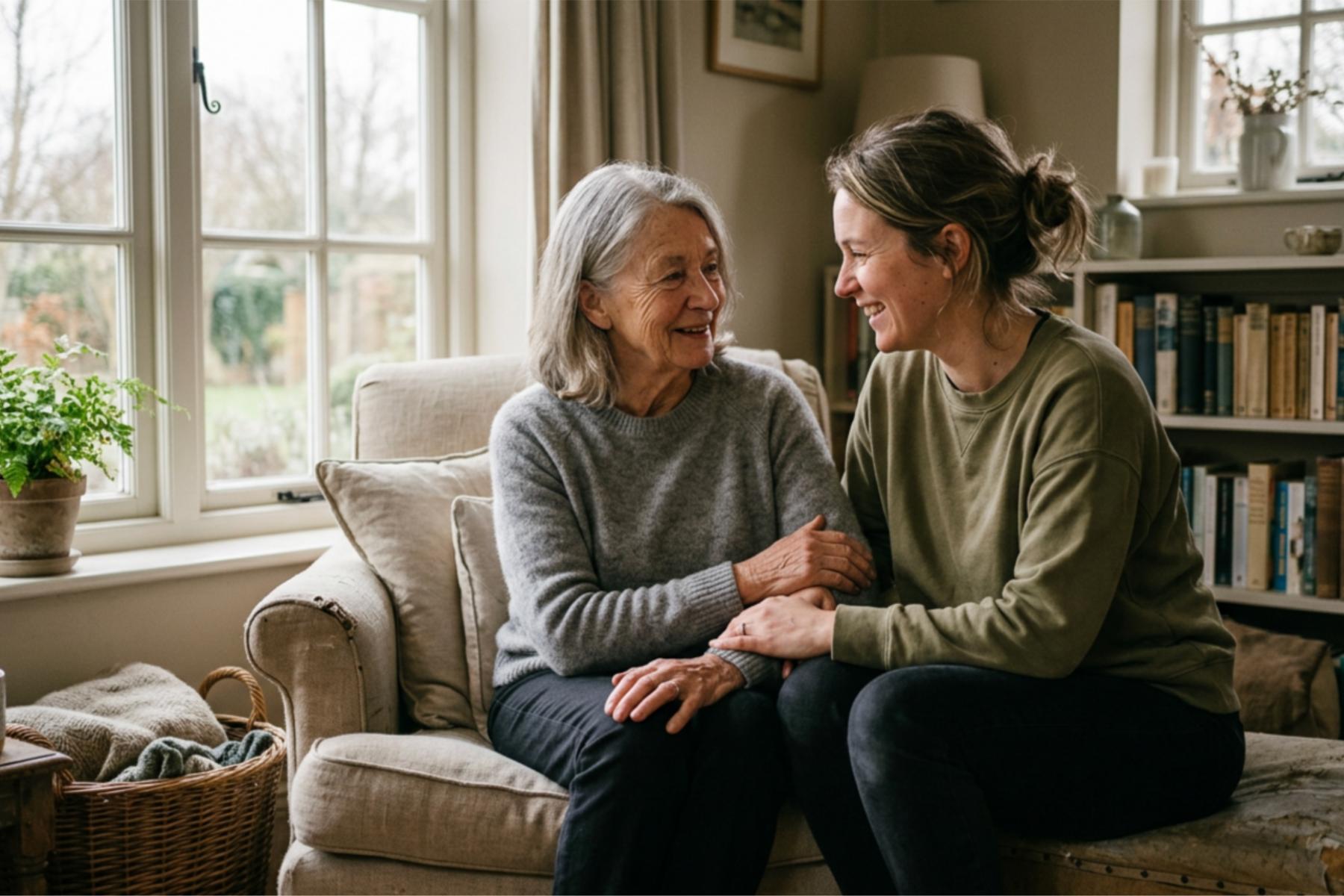
Someone you know might be a carer without even realising it.
It could be your colleague who regularly leaves work to help their mum.
Your neighbour who checks in on an older relative every evening.
Or your friend who spends their weekends helping a loved one with appointments, shopping and everyday tasks.
They might not call themselves a carer.
They’re just helping somebody they love.
Carers Rights Day 2026, taking place on Thursday 19 November, is about recognising those people and making sure they know what support is available.
This year’s campaign asks a simple question:
“Someone you know is a carer, but do they know it yet?”
And it’s a question worth asking.
Because sometimes, the people doing the most caring are the last to recognise themselves as carers.
When does helping someone become caring?
There’s rarely a moment when somebody officially becomes an unpaid carer.
It often happens gradually.
You start helping Mum with the shopping.
Then you’re taking her to appointments.
A few months later, you’re managing medication, arranging visits and checking in every day.
And when somebody asks, you still say:
“Oh, I’m just helping Mum out.”
But that support counts.
An unpaid carer is someone who supports a family member, friend or another person who needs help because of illness, disability, a mental health condition, addiction or another care need.
That might mean providing personal care, helping with everyday activities, managing appointments or offering emotional support.
You don’t necessarily have to live with somebody or provide care around the clock.
And being an unpaid carer is different from working professionally as a care worker.
The important thing is recognising that what you’re doing is caring, even if you’ve never thought of it that way before.
Carers Rights Day 2026: Why does it matter?
Carers Rights Day is an annual awareness campaign organised by Carers UK.
It helps unpaid carers understand their rights, find support and recognise the importance of the care they provide.
For 2026, the focus is on reaching people who might not yet identify as carers.
Because if you don’t recognise yourself as a carer, you might not realise that you can ask for help.
You might not know about a carer’s assessment.
You might not realise there are employment rights designed to support people with caring responsibilities.
Or you might assume that financial support is only available to people in very different circumstances from your own.
Not everybody will qualify for every form of support.
But everybody should have the opportunity to find out what’s available.
What rights do unpaid carers have in the UK?
There are several forms of support that unpaid carers may be able to access, depending on their circumstances and where they live.
For somebody who has never looked into carers’ rights before, knowing where to begin can make a difference.
A carer’s assessment can be a starting point
In England, adult carers can request a carer’s assessment from their local council.
This looks at how caring affects their wellbeing, relationships, employment and everyday life, and what support might help.
You don’t need to wait until you’re struggling to ask about an assessment.
The arrangements differ across the UK, so carers in Scotland, Wales and Northern Ireland should check the relevant local guidance.
Caring responsibilities and employment
Balancing work with caring responsibilities can be difficult.
Eligible employees in Great Britain have a statutory right to take up to one working week of unpaid carer’s leave every 12 months to provide or arrange care for a dependant with a long-term care need.
Employees in Great Britain can also request flexible working from their first day of employment.
That could mean asking to change working hours, patterns or location to help manage caring responsibilities.
Employers must consider requests under the applicable rules, although requests are not automatically approved.

Financial support may be available
Some unpaid carers may qualify for financial assistance.
In England and Wales, Carer’s Allowance may be available to eligible people providing at least 35 hours of care a week to somebody receiving a qualifying disability benefit.
Other eligibility criteria apply, including earnings limits.
In Scotland, Carer Support Payment has replaced Carer’s Allowance for new applications.
Because benefit rules can change and payments may affect other benefits, it’s worth checking the latest government guidance before applying.
You can ask for help before things become overwhelming
Local carers’ organisations, councils and charities can help people understand their options.
That might involve practical advice, information about local services or opportunities to speak to others with similar experiences.
Carers UK is a useful place to start.

What if you’ve only just realised you’re an unpaid carer?
Perhaps you’ve read this far and thought:
“Actually, that sounds a lot like what I do.”
You don’t need to change how you describe yourself overnight.
But it might be worth thinking about how much support you provide, how it affects your own life and whether there’s help you haven’t explored.
If you’re in England, you can contact your local council about a carer’s assessment.
You can check whether financial support might be available.
And if you’re balancing caring with employment, you can look into your workplace policies and statutory rights.
Even speaking to a local carers’ organisation could help you understand your options.
Recognising yourself as a carer doesn’t mean the relationship with the person you support has changed.
It simply means recognising that your needs matter too.
The people who know someone beyond their care plan
For professional care services, unpaid carers and family members can bring an enormous amount of knowledge about the people receiving support.
A daughter might know exactly how her dad likes his morning routine.
A partner might recognise subtle changes in somebody’s behaviour.
A friend might know what makes somebody laugh or which activities they genuinely enjoy.
These details can be valuable in helping care teams understand the whole person.
Of course, the individual receiving care remains at the centre of decisions about their life, and information should always be shared appropriately.
But where consent and permissions allow, building good relationships with the people important to somebody can support more personal, consistent care.
And sometimes, recognising an unpaid carer means remembering to ask how they’re doing too.
Keeping families involved without making communication harder
When somebody you love is receiving professional care, staying informed can mean a great deal.
A relative might want to know how their mum’s day has been.
Whether their dad enjoyed an activity.
Or whether anything important has changed.
Good communication helps families feel involved where appropriate, while giving care teams opportunities to listen and share relevant updates.
Technology can support that communication too.
For example, Care Control’s Friends & Family functionality allows approved friends and relatives to access appropriate information about their loved one’s care.
It doesn’t replace conversations or personal relationships, but it can offer another way for people to stay connected.
Carers Rights Day lasts one day. Caring doesn’t.
For many people, caring is simply part of everyday life.
It’s remembering appointments.
Making sure somebody has eaten.
Checking in after work.
Or being the person they know they can call.
Those things might feel ordinary to the person doing them, but they can mean an enormous amount to somebody else.
Carers Rights Day 2026 gives us an opportunity to recognise those responsibilities and make sure more people understand their rights.
So this November, think about the people around you.
Could somebody you know be a carer without realising it?
And could one conversation help them find support they didn’t know was available?
Find out more about Carers Rights Day 2026 and support for unpaid carers through Carers UK.
Related Posts