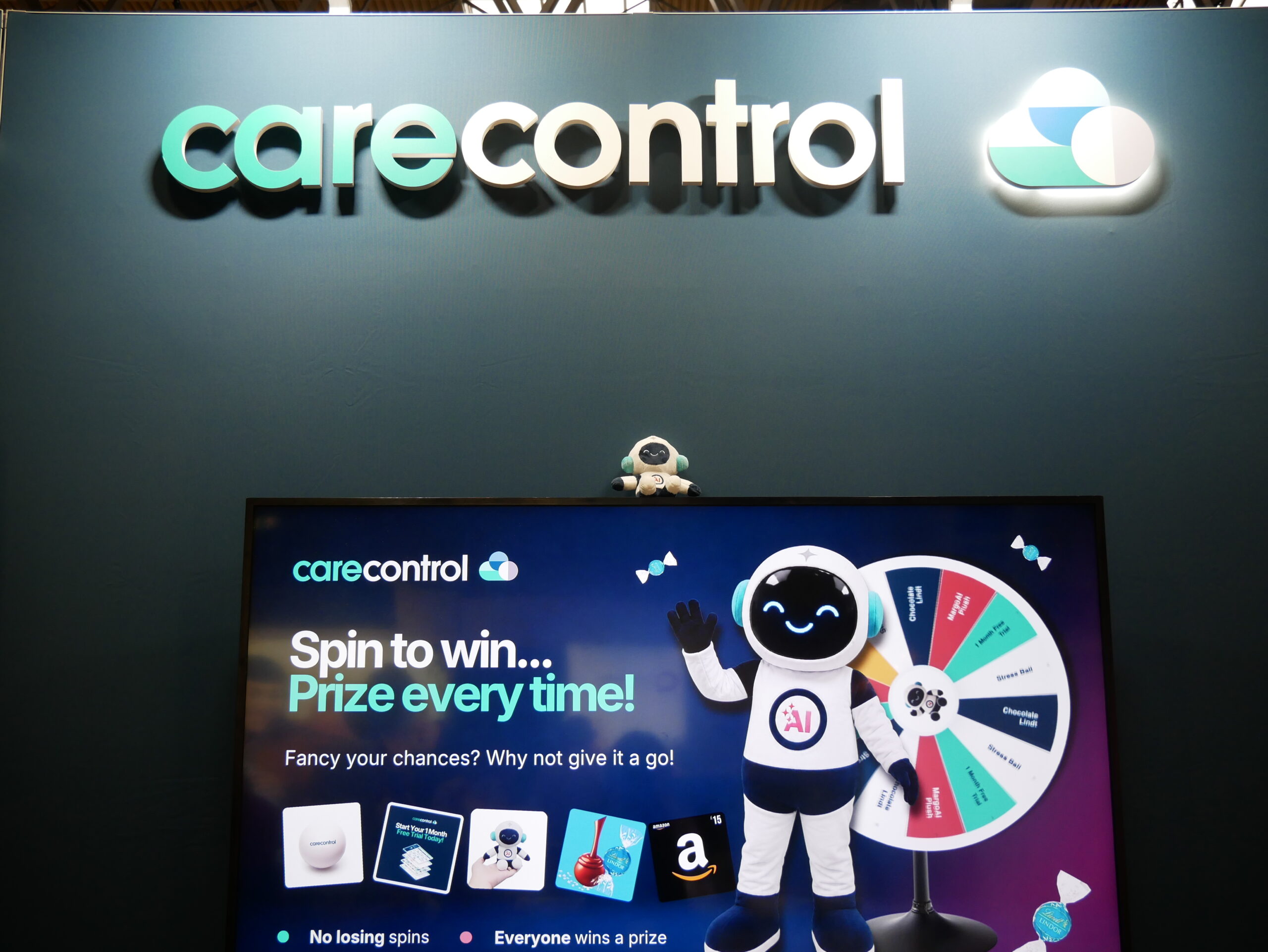
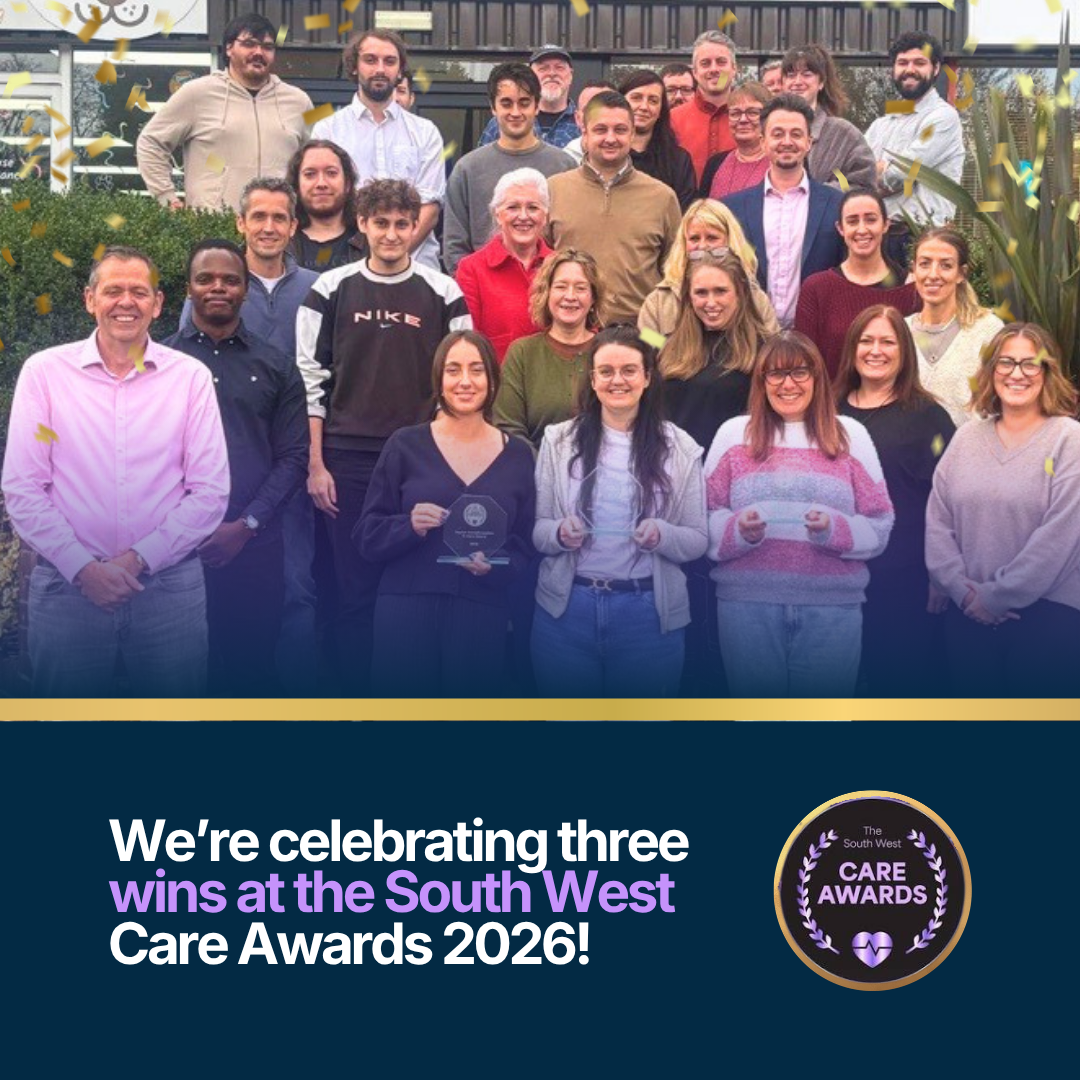
Well, that's another Care Show Birmingham done and dusted! 💜 On 7 and 8 October,…
Care Technology Development: Why Feedback Should Shape the Features We Build

Some of the most useful ideas in care technology development don’t begin in a development meeting.
They begin with a conversation.
A care worker notices something that could be easier. A manager finds themselves repeatedly following the same process. An operations team needs a clearer way to understand what’s happening across several services.
These everyday experiences matter. The people using social care technology understand something that can’t always be recreated in a product meeting: what using that technology actually feels like in practice.
For developers of care management software, listening to those experiences can help uncover where technology could become simpler, clearer or more useful.
Because developing better technology for care isn’t just about asking what can be built. It’s about understanding what the people using it actually need.

Building for care means listening to care
Social care is complex.
The same care management software might be used by care workers, managers, administrators, quality teams, operations teams and senior leaders, all with different responsibilities.
That makes feedback particularly important.
A process that makes perfect sense from one perspective may feel completely different to the person actually completing it during a busy shift. Something that appears simple during a demonstration may involve additional considerations when it’s being used across multiple services, by different teams or alongside existing processes.
Listening provides that context.
Not simply:
“Can you add this feature?”
But:
“What are you trying to achieve?”
“Why is the current process difficult?”
“Who needs this information afterwards?”
“What would make this easier?”
Those questions can lead to a much better understanding of the actual problem.
Because sometimes the feature initially requested isn’t necessarily the solution. Understanding why somebody is asking for it can uncover a different way of solving the same challenge.
Frontline experience matters
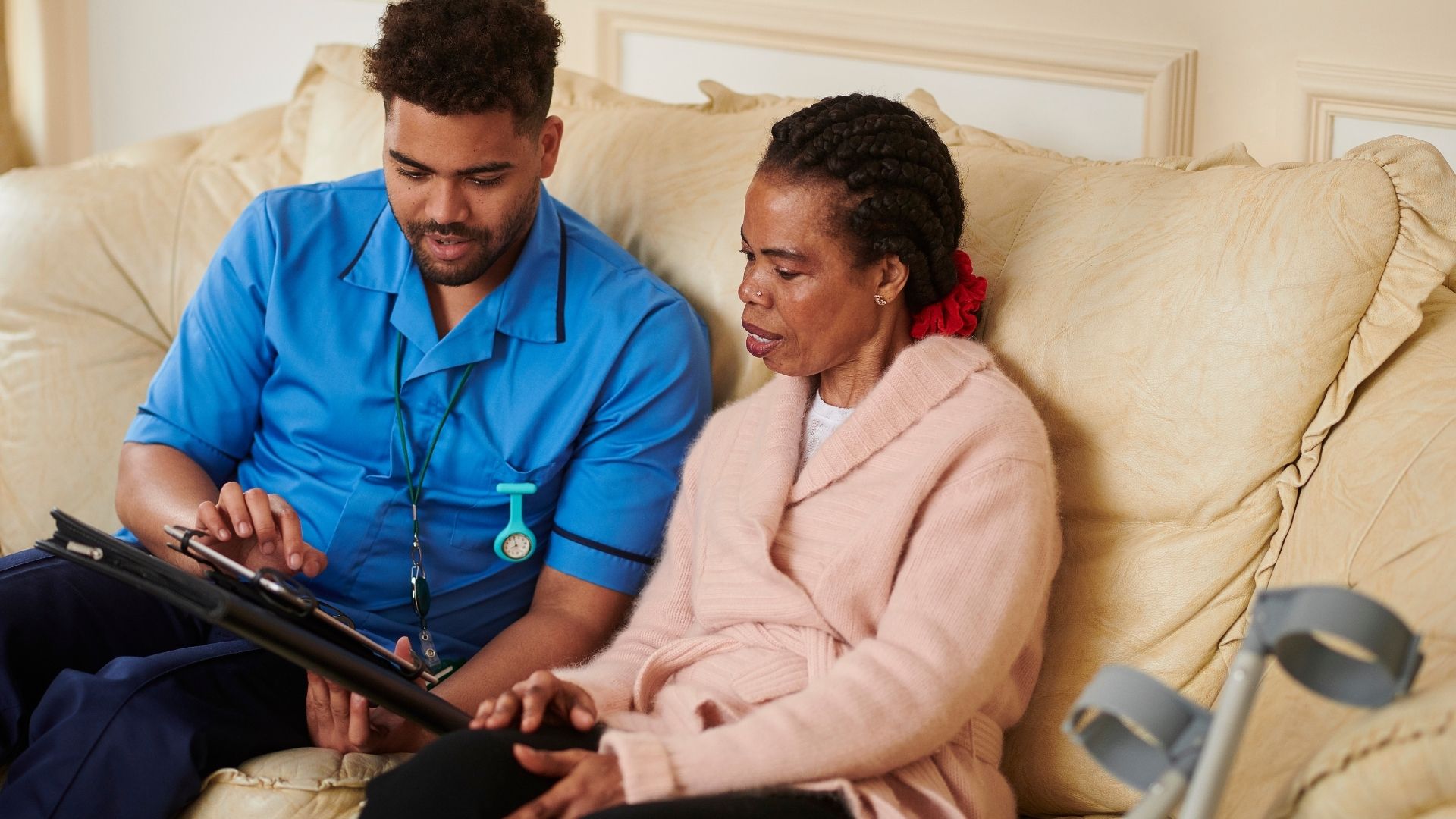
People delivering and managing care interact with technology in circumstances that are difficult to replicate elsewhere.
They might be recording information during a busy shift, reviewing care plans, administering medication, managing staffing or responding to something unexpected.
Technology needs to work within those realities rather than creating another process for teams to work around.
That’s why frontline feedback can be particularly valuable. The people completing these processes every day can identify friction that might otherwise be difficult to spot.
A few additional clicks might sound insignificant in isolation. Repeated across several tasks, multiple members of staff and every day of the year, they can become much more noticeable.
The same applies to how information is displayed. Something might technically be available within a system, but if the right person can’t easily find or understand it when they need it, there may still be an opportunity to improve the experience.

Feedback isn’t always about adding more
There’s an assumption that product development means continuously adding new things.
Sometimes it does.
New challenges emerge, new technology becomes available and care providers understandably need their systems to evolve with them.
But feedback can also show where something needs to become clearer, simpler or easier to access.
That distinction matters.
More functionality doesn’t automatically create a better experience.
Sometimes improving technology means reducing unnecessary steps, changing how information is presented or making an existing process easier to understand.
It could mean looking again at a workflow that has become more complicated over time. It could mean making important information easier to find. Or it could simply mean recognising that something which once worked well no longer reflects how care teams operate today.
Product development isn’t only about asking “What can we add?”
Sometimes the better question is “What could we make easier?”
Real care environments provide real context
There is also value in maintaining a close connection with care itself.
At Care Control, that connection includes our relationship with Spring House Residential Care Home.
Seeing how care is delivered in a real environment provides a perspective that can’t come solely from looking at a screen.
Care isn’t delivered in perfect conditions where everyone has unlimited time to explore a system. It’s delivered by real people, supporting real people, while balancing documentation, medication, staffing, communication, compliance and countless other responsibilities.
Having that connection helps keep conversations about technology grounded in the environment it’s ultimately intended to support.
It also provides an important reminder.
Behind every care record, report, alert or workflow is something happening within someone’s actual care.
Technology is the tool. Care remains the reason for it.

Different perspectives make technology stronger
Useful feedback doesn’t only come from one role.
A care worker might identify an issue with recording information.
A manager might explain what they need during a review.
A quality lead might have questions about oversight.
Someone managing rotas may see opportunities to simplify staffing processes.
A provider operating several services may need to understand information at an organisational level rather than looking at each location individually.
None of those perspectives necessarily tells the whole story on its own.
Looking across them helps build a fuller picture of how technology is actually being used and where development could make the greatest difference.
It’s also why customer conversations, support interactions, product research, events and ongoing relationships with care providers are valuable sources of learning.
Feedback doesn’t always need to arrive through a formal product request. Sometimes an everyday conversation can reveal just as much.
From conversation to development
Of course, listening doesn’t mean every suggestion automatically becomes a new feature.
Product development also involves understanding how widely a challenge is experienced, exploring different ways it could be solved and considering how any change might affect other people using the system.
One person’s solution might unintentionally make a process harder for somebody else.
That’s where research and product discovery become important.
By exploring the problem behind the feedback, speaking to different users and understanding how existing processes work, development teams can make more informed decisions about what should happen next.
The conversation might eventually lead to a completely new capability.
It might lead to an improvement to something that already exists.
And sometimes, it might highlight a different problem altogether.
Either way, the starting point is understanding the experience behind the request.
Technology shouldn’t be finished
No care management system should reach a point where its creators decide:
That’s it. We’re done.
The sector continues to change, and so do the organisations using technology.
New challenges emerge. Expectations develop. Regulations change. Organisations grow. New capabilities become possible.
The technology supporting those organisations therefore needs to keep evolving too.
But development for the sake of development isn’t the goal.
The important thing is ensuring that change continues to have a connection to the people it’s intended to support.
That means continuing to listen after implementation, not just before it.
What works well? What takes longer than expected? What are teams asking support about? What has changed within the organisation since the technology was first introduced?
Those conversations create an ongoing feedback loop between the people developing technology and the people actually using it.
Keep asking the right question
There’s a tempting question whenever new technology becomes possible:
“What can we build?”
But there’s another question that should come first:
“What would actually be useful?”
The answer is much more likely to emerge when technology companies and care providers keep talking to one another.
Because some of the best product development doesn’t begin with technology at all.
It begins by listening to the people who know care.
Find out more about the story behind Care Control and how our experience within social care continues to shape the technology we develop.
FAQ (Frequently Asked Questions)
Why is customer feedback important when developing care technology?
Customer feedback helps technology providers understand how their systems are used in real care environments. It can highlight challenges, unnecessary steps and opportunities to make existing processes clearer or easier for care teams.
How can care providers contribute to technology development?
Feedback can come through support conversations, product research, customer meetings, events, demonstrations and ongoing discussions with technology providers. Even small observations about everyday processes can provide useful insight.
Does customer feedback always result in a new feature?
Not necessarily. Feedback may lead to a new feature, but it can also result in improvements to an existing process, changes to how information is presented or further research into a particular challenge
Why is frontline feedback important in social care technology?
Frontline care teams use technology as part of their everyday work, giving them first-hand experience of how well it fits into real care routines. Their feedback can help identify practical challenges that may not be obvious during initial product development.
How does Care Control use real care experience when developing its technology?
Care Control maintains a close connection with social care, including through its relationship with Spring House Residential Care Home. Alongside conversations with customers and care professionals, this real-world experience helps keep product development connected to the practical realities of delivering care.
Related Posts